How Doha's Summer Climate Shapes Material Choices for Interior Fit-Outs
A newly installed cabinet door warps before a building is occupied because mechanical cooling is absent during construction. Doha experiences average summer highs above 40°C with relative humidity frequently exceeding 70% along the coast. Together, these heat and moisture loads accelerate adhesive breakdown, timber warping, and metal corrosion. Interior fit-outs in Qatar must specify materials rated for continuous high-heat, high-humidity exposure rather than standard temperate-climate grades.
Contents
- Why does Doha's summer climate dictate interior material specifications?
- Which wood and engineered board products survive Qatar's humidity during fit-outs?
- Do natural stone and porcelain tiles resist thermal expansion in Qatari interiors?
- Which fabrics, leathers, and upholstery materials degrade fastest in Doha's UV and heat?
- How do metal finishes and hardware corrode in Qatar's coastal environment?
- What happens to materials stored on-site before HVAC activation in Doha?
Key takeaways
- Fit-out projects in Doha often proceed while the structure remains unconditioned.
- Standard MDF and particleboard swell rapidly when exposed to Doha's unconditioned summer air during construction.
- Porcelain tiles have near-zero water absorption and minimal thermal movement, making them reliable for Doha floors and walls.
- Direct sunlight and high ambient heat cause natural leathers to dry and crack, while some synthetic fabrics fade or off-gas volatile organic compounds.
- Salt-laden humidity in coastal Doha accelerates oxidation on untreated steel and lower-grade aluminum alloys.
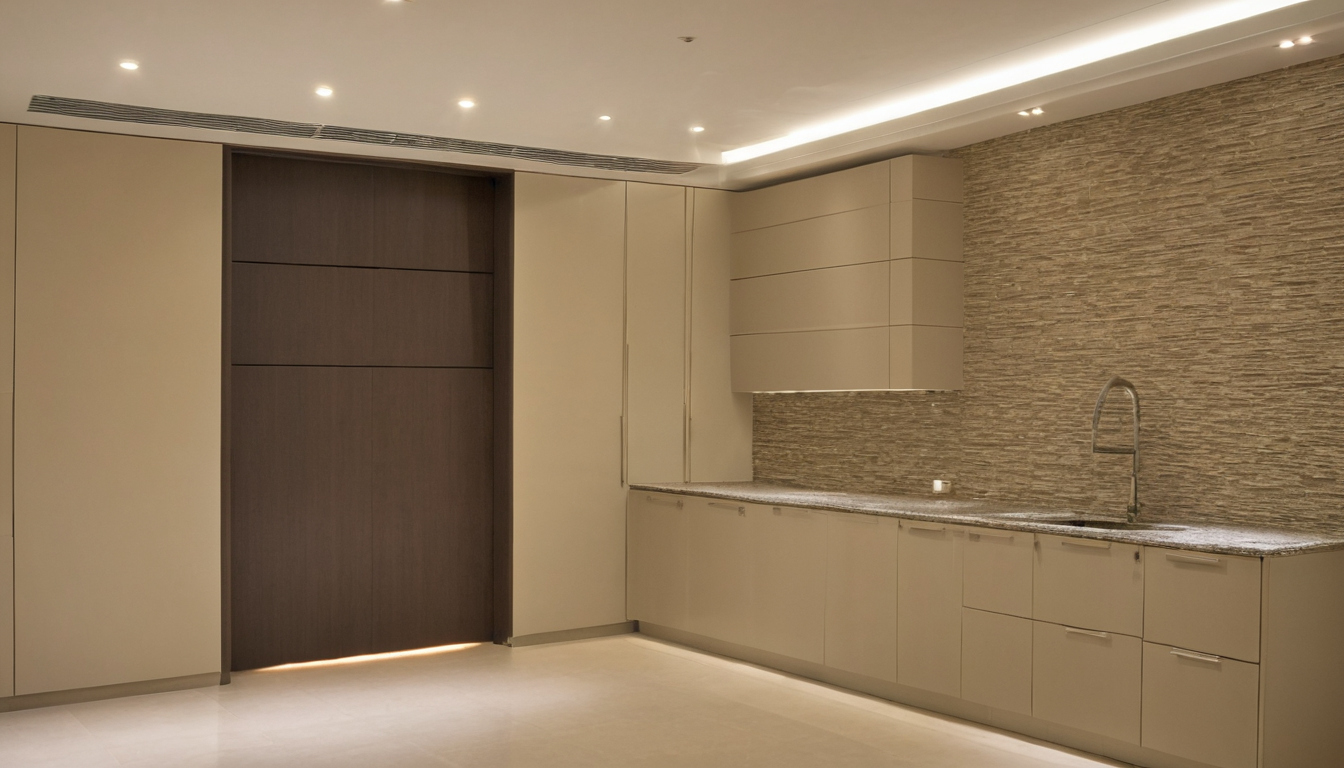
How Doha's Summer Climate Shapes Material Choices for Interior Fit-Outs.
Why does Doha's summer climate dictate interior material specifications?
Fit-out projects in Doha often proceed while the structure remains unconditioned. Air inside an enclosed concrete shell traps solar heat gain, pushing surface temperatures well beyond outdoor readings. Timber substrates absorb this trapped moisture and expand unevenly across the grain.
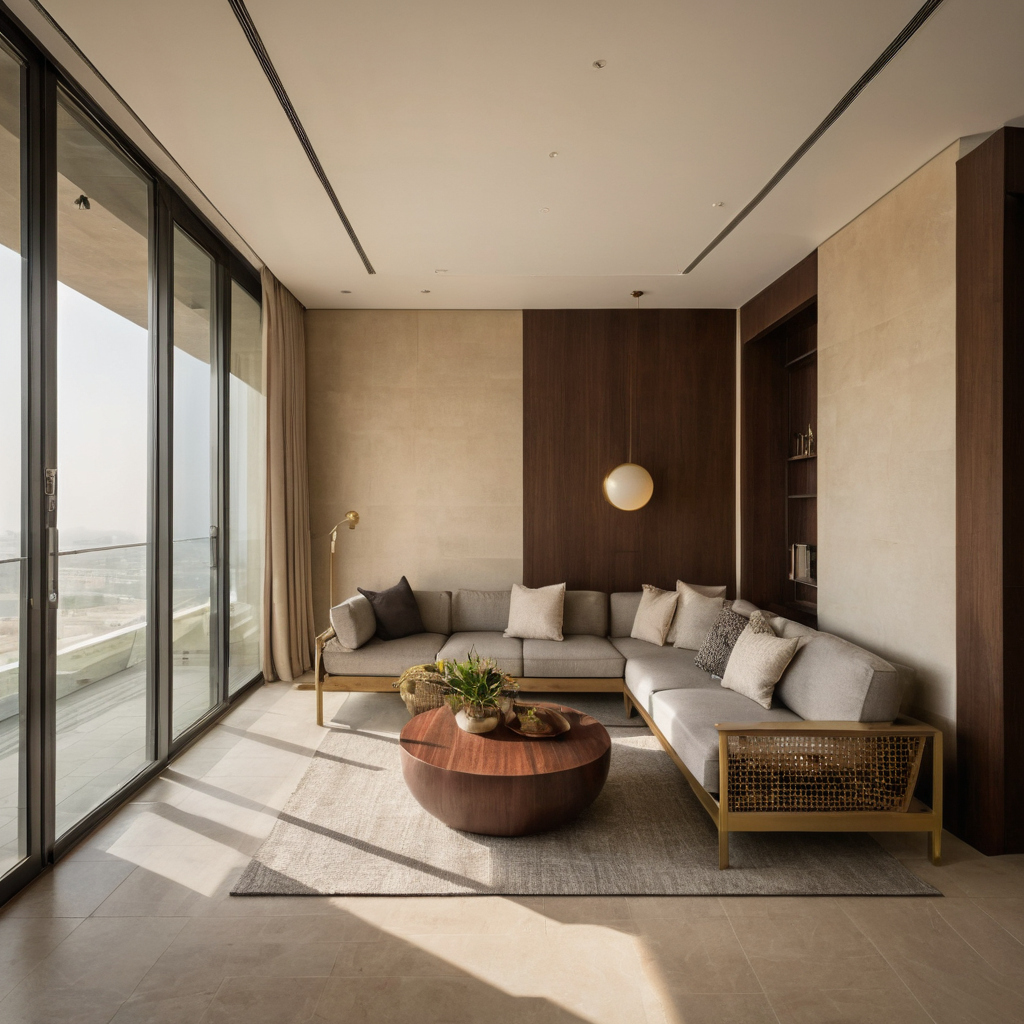
Why does Doha's summer climate dictate interior material specifications.
Persistent marine air compounds the problem in coastal Doha. Humidity levels near the Corniche or West Bay stay elevated overnight, preventing materials from drying between work shifts. Inland areas experience wider temperature swings but lower absolute moisture. Specifiers working on waterfront villas face the most aggressive combination of heat and vapor pressure during June through September.
Moisture control determines whether finishes survive this environment. The U.S. Environmental Protection Agency notes that mold growth on interior surfaces can begin when relative humidity remains above 60% for extended periods. Doha's coastal summer routinely exceeds that threshold for months. Without active dehumidification during the fit-out phase, porous substrates are vulnerable to biological degradation as well as physical distortion.
Standard temperate-climate specifications fail under these conditions because factory testing assumes controlled indoor environments. A board rated for European residential use faces forces it was never engineered to resist inside an uncooled Qatari shell during August. Which wood and engineered board products actually survive Qatar's humidity during fit-outs?
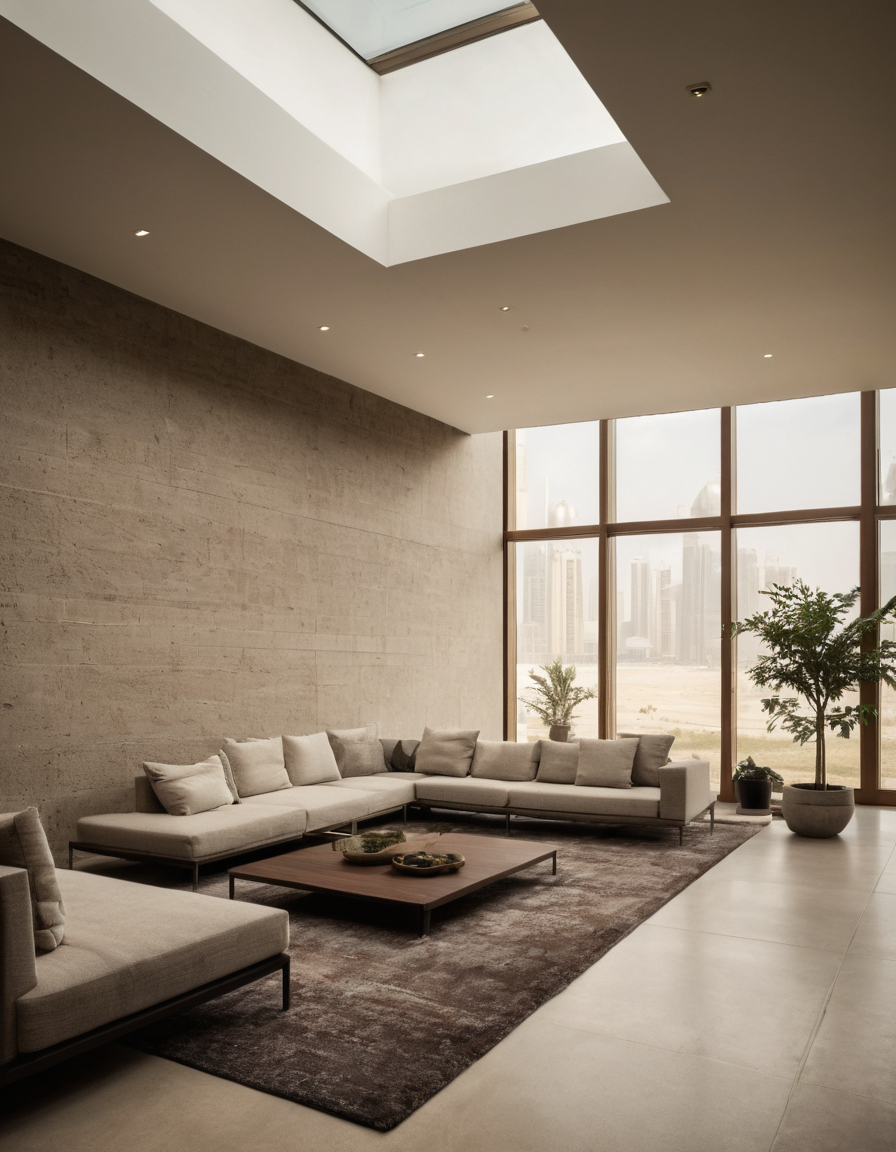
Standard temperate-climate specifications fail under these conditions because factory testing assumes controlled indoor environments.
Which wood and engineered board products survive Qatar's humidity during fit-outs?
Standard MDF and particleboard swell rapidly when exposed to Doha's unconditioned summer air during construction. Marine-grade plywood, moisture-resistant MDF (MR-MDF), and phenolic-faced boards maintain dimensional stability. Specifiers must verify that the chosen substrate carries a moisture resistance rating suitable for Gulf ambient conditions before HVAC commissioning.
Site teams frequently see edge swelling on untreated boards stored inside unconditioned villas during July and August. Temperatures exceeding 45°C combined with coastal humidity reaching 90 percent drive rapid moisture absorption into exposed fibers. Phenolic-faced boards resist this absorption because the sealed surface blocks vapor ingress. Specifiers must require immediate sealing of all cut edges with compatible primer or edge banding upon fabrication to prevent localized swelling before installation.
The choice of edge banding material matters as much as the adhesive. ABS (acrylonitrile butadiene styrene) edging tolerates thermal expansion better than rigid PVC alternatives, which can shrink or warp under direct solar gain near unshaded windows. Specifiers should confirm that the operating temperature range on the manufacturer's datasheet matches expected conditions at an unconditioned site during handover preparation. Even a stable board fails entirely if the glue line releases first.
Once joinery substrates and adhesives are protected against humidity, hard surfaces pose their own thermal challenges. Do natural stone and porcelain tiles resist thermal expansion in Qatari interiors?
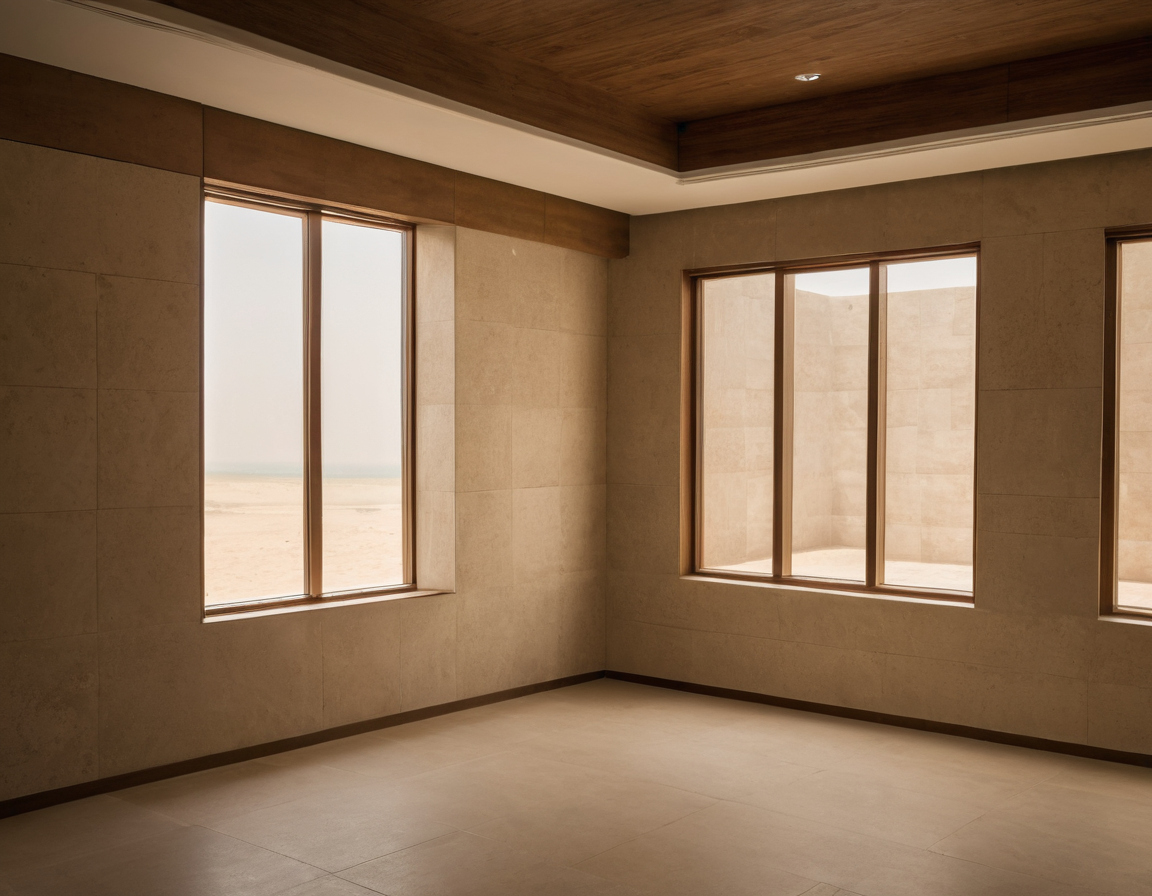
Which wood and engineered board products survive Qatar's humidity during fit-outs.
Do natural stone and porcelain tiles resist thermal expansion in Qatari interiors?
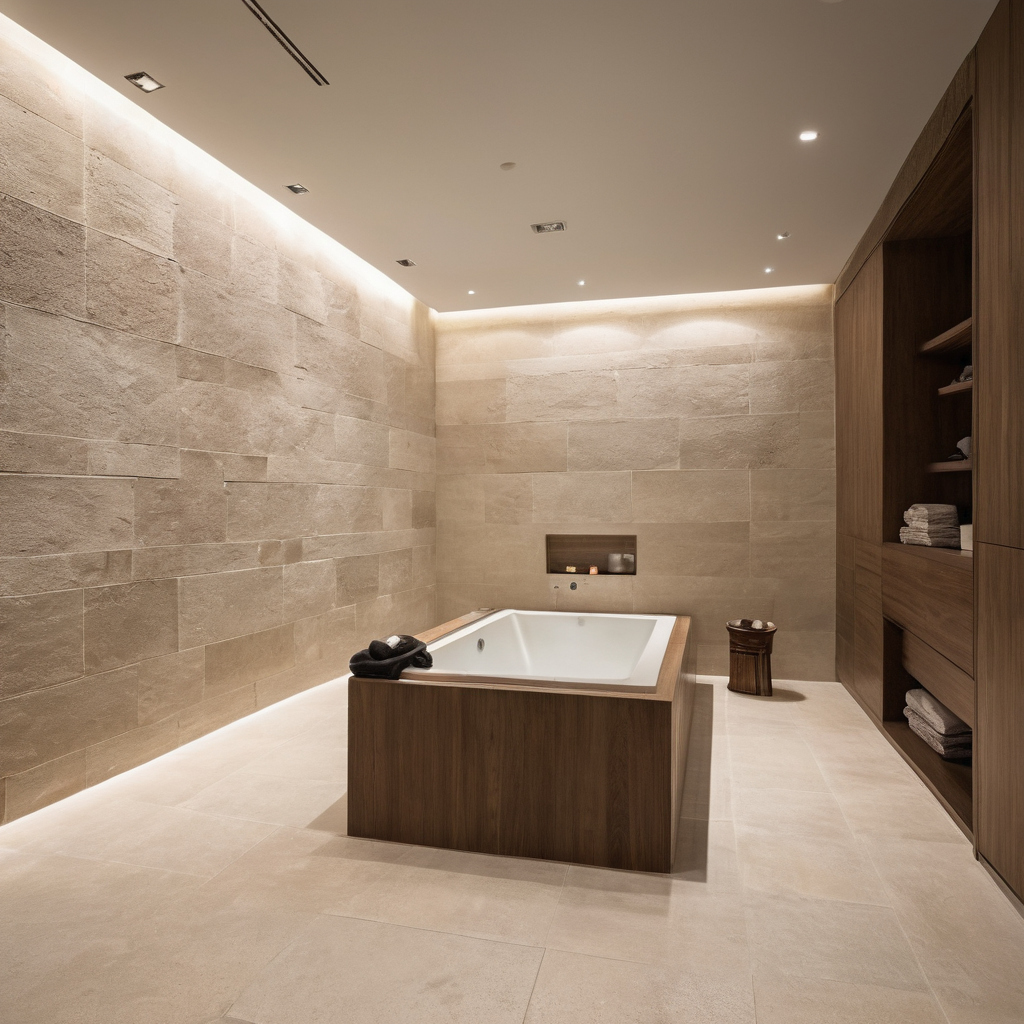
Porcelain tiles have near-zero water absorption and minimal thermal movement, making them reliable for Doha floors and walls. Natural stones like marble are porous and can stain or crack if installed without proper expansion joints in sun-exposed rooms. Material choice depends on the room's specific orientation and whether it receives direct solar gain.
Do natural stone and porcelain tiles resist thermal expansion in Qatari interiors.
Hard flooring in Doha residences undergoes significant temperature swings between air-conditioned interiors and unconditioned construction phases. Porcelain absorbs almost no moisture, so dimensional changes remain negligible even when ambient humidity spikes during coastal summers. Marble and limestone expand more readily under heat and absorb moisture through their open pore structure. Installers must leave perimeter expansion gaps and use flexible adhesives rated for high-temperature substrates to prevent tenting or hairline fractures in natural stone installations.
Maintenance requirements differ sharply between the two materials. The Natural Stone Institute recommends cleaning natural stone surfaces with neutral cleaners, stone soap, or mild liquid dishwashing detergent and warm water. The same guidance warns that scouring powders or creams scratch natural stone because those products contain abrasives. Porcelain tolerates standard household cleaners without surface damage. Specifiers selecting marble for a Doha villa must include periodic sealing in the long-term maintenance schedule to block moisture ingress during humid months. After selecting hard surfaces, another question remains: which fabrics, leathers, and upholstery materials degrade fastest in Doha's UV and heat?
Which fabrics, leathers, and upholstery materials degrade fastest in Doha's UV and heat?
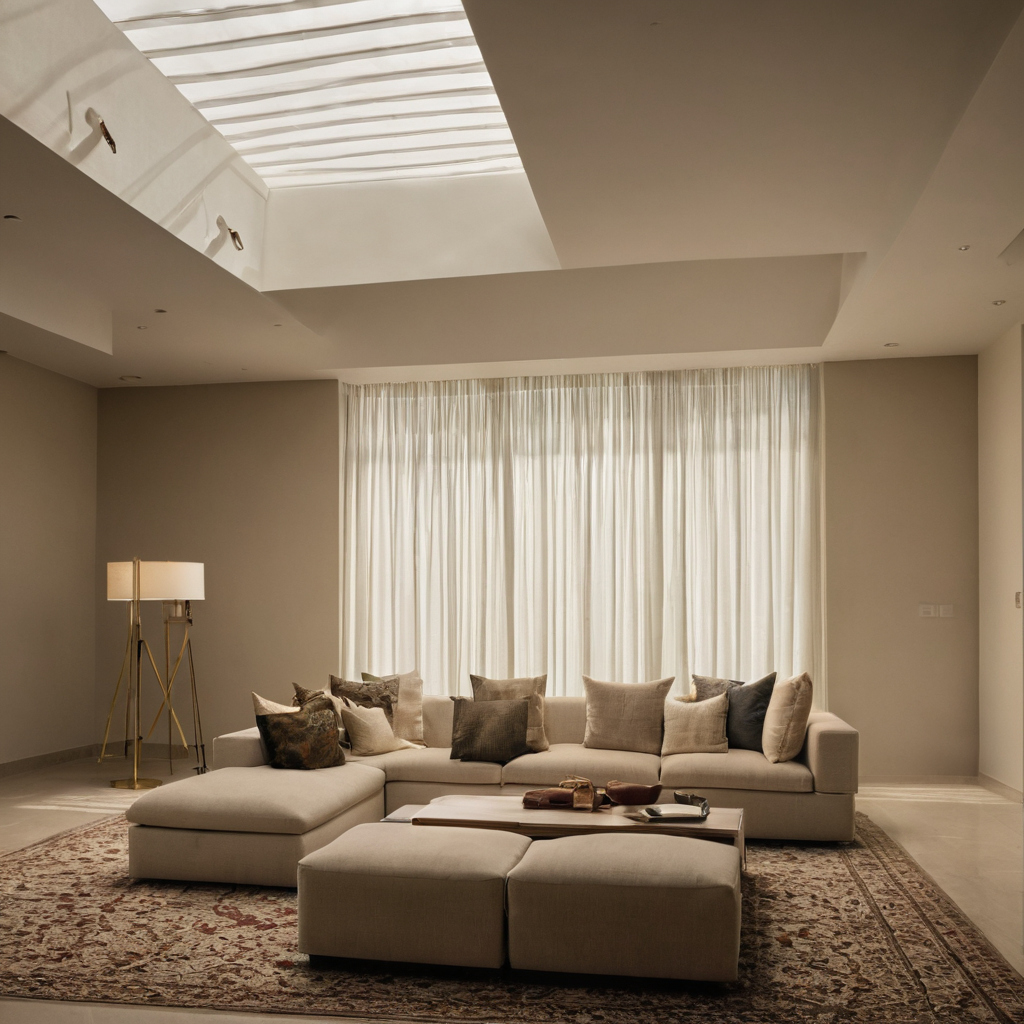
Direct sunlight and high ambient heat cause natural leathers to dry and crack, while some synthetic fabrics fade or off-gas volatile organic compounds. Solution-dyed acrylics, UV-stabilised polyesters, and treated top-grain leathers retain color and structural integrity longer. Upholstery specifications for Doha must include UV-resistance hours and VOC emission limits for enclosed spaces.
Untreated aniline leather loses moisture rapidly when exposed to Qatar's summer temperatures. The collagen fibers stiffen, surface pigments bleach, and the hide cracks along stress points within a single season if placed near south-facing glazing. Pigmented or semi-aniline leathers with a protective topcoat resist this drying cycle because the coating blocks direct UV penetration and slows moisture loss. Specifiers should confirm that the tannery applies a finish rated for high-UV environments rather than relying on standard residential grades designed for temperate climates.
Synthetic textiles respond differently to sustained solar exposure. Standard nylon and polyester yarns dyed after extrusion lose color saturation quickly because the pigment sits on the fiber surface. Solution-dyed acrylics incorporate the color into the polymer before the fiber forms, making the hue resistant to UV breakdown. UV-stabilised polyesters offer a similar advantage at a lower weight, suitable for sheer curtains or loose cushions where heavy acrylic would feel stiff. Request Xenon arc test data from the textile mill to verify that the fabric meets the required fade-resistance threshold for its specific window orientation.
Which fabrics, leathers, and upholstery materials degrade fastest in Doha's UV and heat.
Volatile organic compound emissions pose a secondary risk in sealed, air-conditioned rooms. Elevated indoor temperatures speed the release of chemical residues from foam padding, backing adhesives, and certain flame-retardant treatments. Low-VOC certified foams and water-based adhesives reduce this off-gassing. Specifying these materials protects indoor air quality during the months when windows remain closed and mechanical cooling continuously recirculates the same air.
Volatile organic compound emissions pose a secondary risk in sealed, air-conditioned rooms.
Fabric and leather choices address only part of the material challenge. Metal hinges, handles, and fasteners deteriorate in different ways once installed. How do metal finishes and hardware corrode in Qatar's coastal environment?
How do metal finishes and hardware corrode in Qatar's coastal environment?
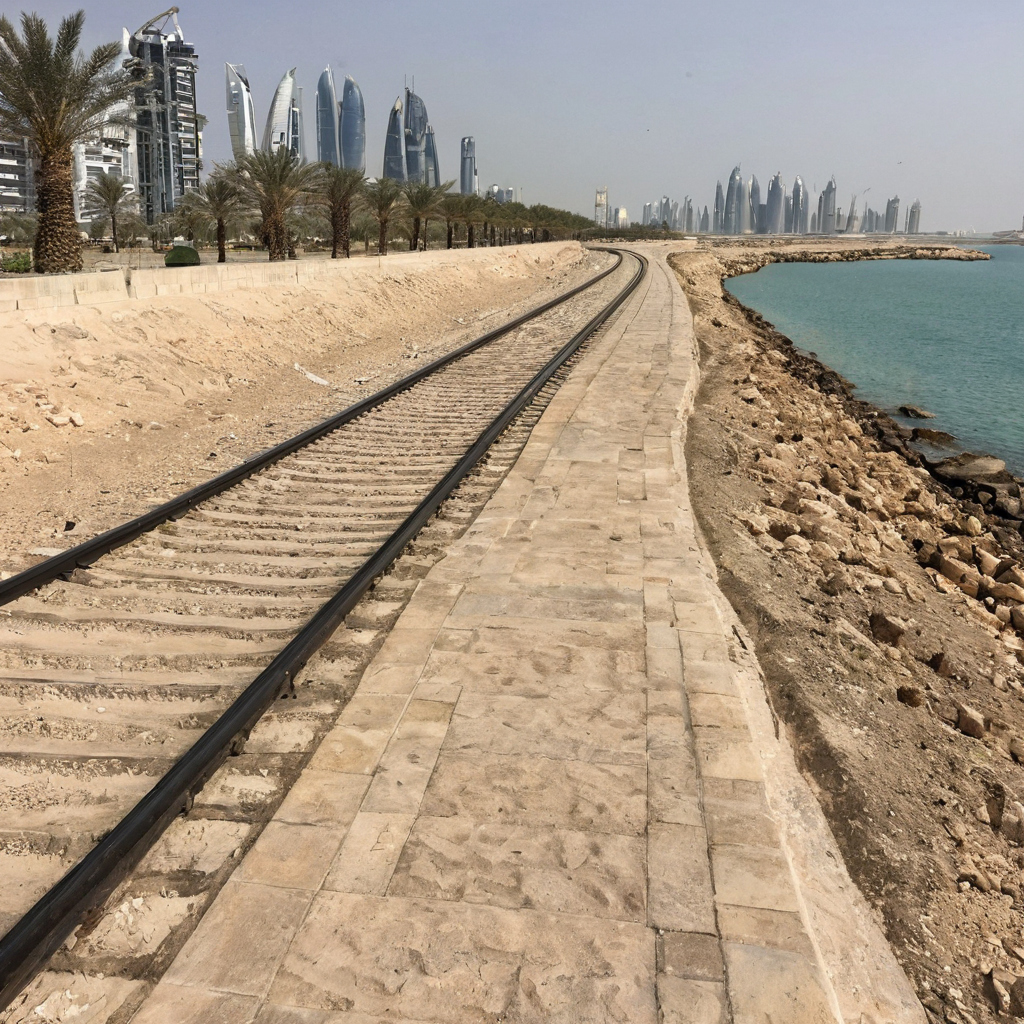
Salt-laden humidity in coastal Doha accelerates oxidation on untreated steel and lower-grade aluminum alloys. Powder-coated finishes, anodized aluminum with a minimum 15-micron film, and 316-grade stainless steel hardware provide necessary corrosion resistance. Standard chrome plating often fails within months if specified for exterior-facing doors or windows in unconditioned areas.
How do metal finishes and hardware corrode in Qatar's coastal environment.
Grade 304 stainless steel resists indoor moisture in temperate climates but pits rapidly when exposed to airborne chlorides near the Arabian Gulf. Specifiers on Doha fit-out projects should choose 316-grade stainless steel as the default for door handles, hinges, and window mechanisms facing the coast. The added molybdenum content in 316-grade alloys slows chloride penetration far more effectively than standard alternatives.
Aluminum profiles require hard anodizing rather than decorative treatments to survive outdoor exposure during construction. A 15-micron anodic layer seals the substrate against salt deposition before mechanical cooling begins. Powder coating offers color flexibility, but any scratch through the film exposes bare metal to immediate galvanic attack in humid conditions.
Hardware selection alone cannot protect components left on an unconditioned site while summer temperatures peak. What happens to materials stored on-site before HVAC activation in Doha?
Hardware selection alone cannot protect components left on an unconditioned site while summer temperatures peak.
What happens to materials stored on-site before HVAC activation in Doha?
For more on this topic, see other guides on this site.